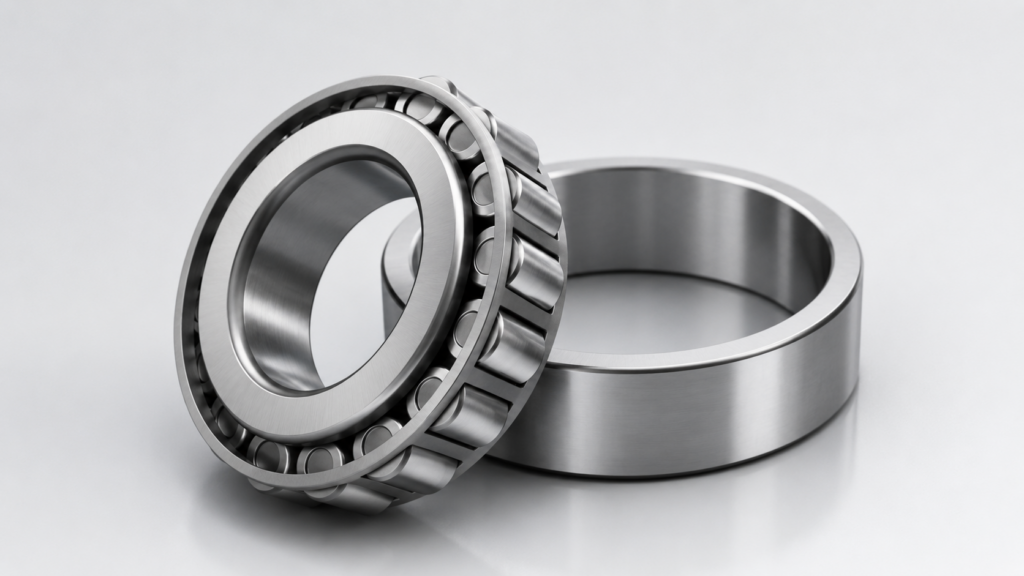



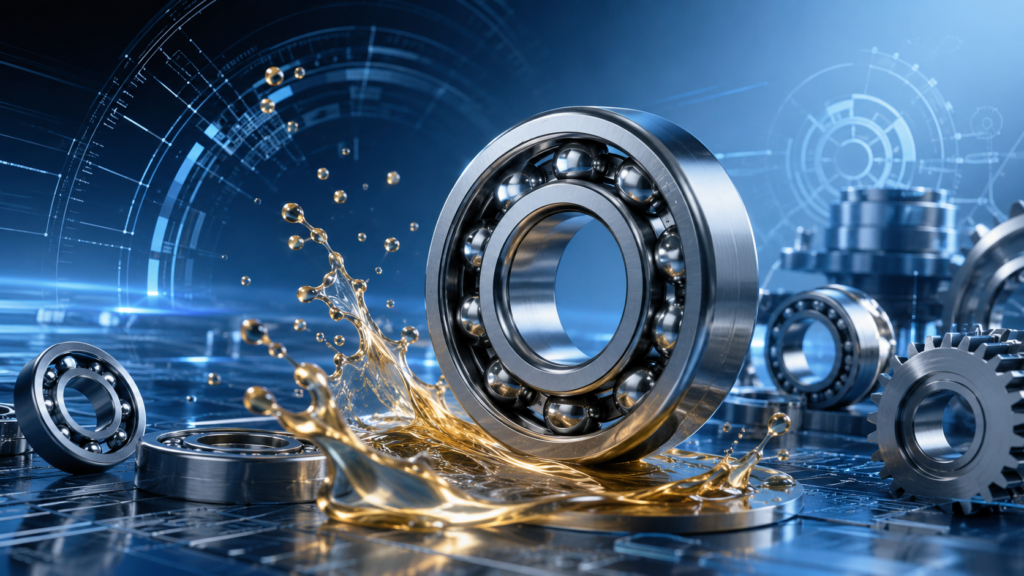
In modern industrial equipment, bearings are widely regarded as the “joints” of mechanical systems. Whether in electric motors, gearboxes, fans, or automated production lines, bearing performance directly dictates operational efficiency and equipment lifespan.
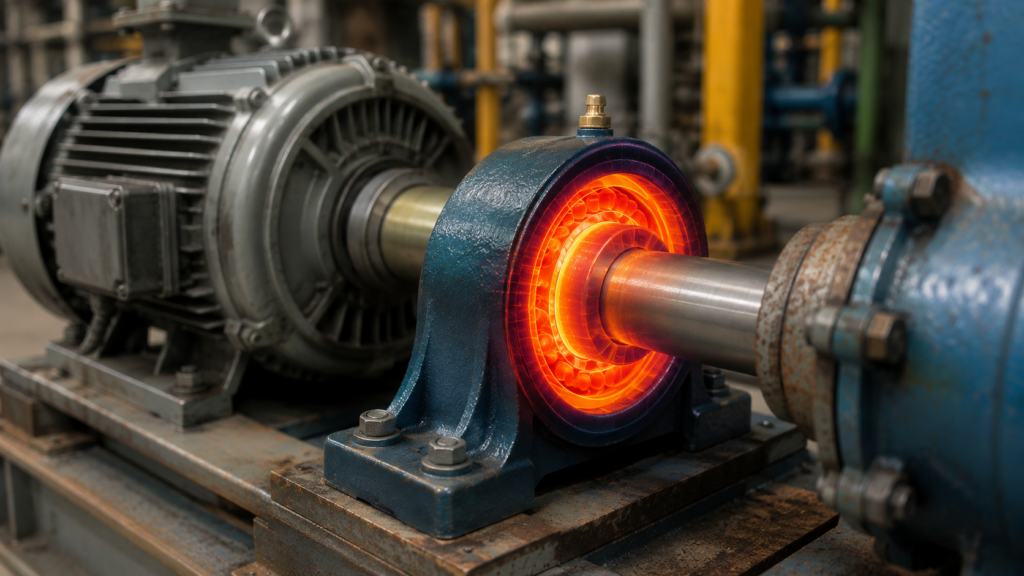
Interestingly, many bearing failures do not stem from product quality issues. Instead, they are caused by improper material selection, inadequate lubrication management, or insufficient surface protection. Consequently, scientific tribological design has become a critical approach to improving bearing reliability.
For engineers and maintenance personnel, mastering the three core technologies—material selection, lubrication, and surface treatment—is the essential foundation for extending bearing life.
1.Rational Material Selection: The Foundation of Reliable Operation
Different operating conditions demand different bearing materials. Therefore, material selection must comprehensively balance loads, speeds, temperatures, and environmental factors.
Common Rolling Bearing Materials
High-Carbon Chromium Bearing Steel: The most widely used bearing material in the industrial sector. It offers high hardness, excellent wear resistance, outstanding fatigue life, and relative cost-effectiveness, making it ideal for most standard industrial equipment.
Stainless Steel Bearing Materials: In humid or corrosive environments, stainless steel bearings provide distinct advantages, including high corrosion resistance and excellent oxidation resistance. They are widely applied in food processing machinery, medical equipment, and marine environments.
Ceramic Bearing Materials: Ceramic bearings feature lightweight properties, high-temperature resistance, electrical insulation, corrosion resistance, and superior high-speed performance. With the rise of high-speed equipment, they are increasingly used in machine tool spindles, new energy equipment, and aerospace sectors.
Material Selection Principles
Key Considerations: When selecting bearing materials, prioritize operational load magnitude, speed requirements, operating temperature, environmental conditions, and expected service life. The right material effectively minimizes wear and enhances overall bearing reliability.
2.Scientific Lubrication: Dictating Bearing Lifespan
The primary purpose of lubrication is not just to reduce friction, but more importantly, to form a protective film that prevents direct metal-to-metal contact.
Statistical data reveals that a vast majority of bearing failure cases are directly linked to improper lubrication.
Grease Lubrication
Grease is the most common lubrication method for industrial equipment. It offers excellent sealing performance, ease of use, long maintenance cycles, and low costs. It is highly suitable for most electric motors, fans, and general machinery.
Oil Lubrication
For high-speed, high-temperature, or heavy-duty operating conditions, oil lubrication provides superior heat dissipation. It is commonly used in large gearboxes, rolling mills, high-speed spindles, and industrial compressors.
Lubrication Management Recommendations
To achieve optimal lubrication results, focus on the following practices:
Select the correct viscosity grade tailored to the application.
Avoid mixing different types of grease, which can cause chemical incompatibility.
Replenish lubricants regularly based on calculated intervals.
Prevent contaminants from penetrating the bearing interior.
Implementing the correct lubrication strategy significantly reduces friction and heat generation, thereby maximizing bearing service life.
3.Surface Treatment Technologies: Enhancing Bearing Durability
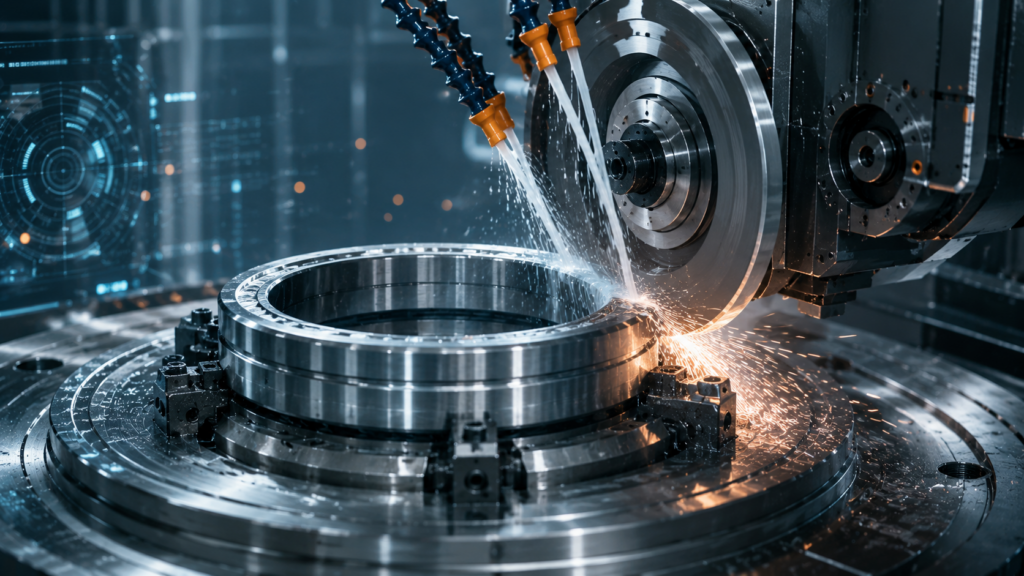
Even with premium materials and optimal lubrication, bearings operating under extreme conditions can still suffer from wear and fatigue failure. In such scenarios, advanced surface treatment technologies can further push the boundaries of bearing performance.
Surface Strengthening Treatments
Processes such as rolling and shot peening create a strengthened layer on the material’s surface.
Key Benefits: Improves fatigue strength, enhances wear resistance, and extends service life.
Surface Coating Technologies
Tailored functional coatings can be applied to address specific, harsh operating environments. Common options include:
PTFE Coatings & Molybdenum Disulfide ($MoS_2$) Coatings: For dry lubrication and low-friction requirements
Titanium Nitride (TiN) & Chromium Nitride (CrN) Coatings: For extreme hardness and wear resistance.
These coatings effectively lower friction coefficients and drastically improve anti-wear capabilities.
Heat & Chemical Treatments
Common processes include carburizing, nitriding, and induction hardening. By optimizing the surface microstructure, these treatments elevate surface hardness and rolling contact fatigue resistance, enabling bearings to adapt to increasingly complex and demanding work environments.
Conclusion
As industrial equipment evolves toward higher speeds, greater precision, and longer lifespans, bearing technology must advance in tandem. Rational material selection, scientific lubrication strategies, and advanced surface treatments have become the core pillars for securing top-tier bearing performance.
As a professional bearing supplier, USU Bearings is always committed to providing stable, reliable bearing solutions to global customers. Whether you require standard industrial bearings or solutions for specialized, extreme operating conditions, we provide expert selection guidance and technical support to help your equipment achieve a longer service life and higher operational efficiency.